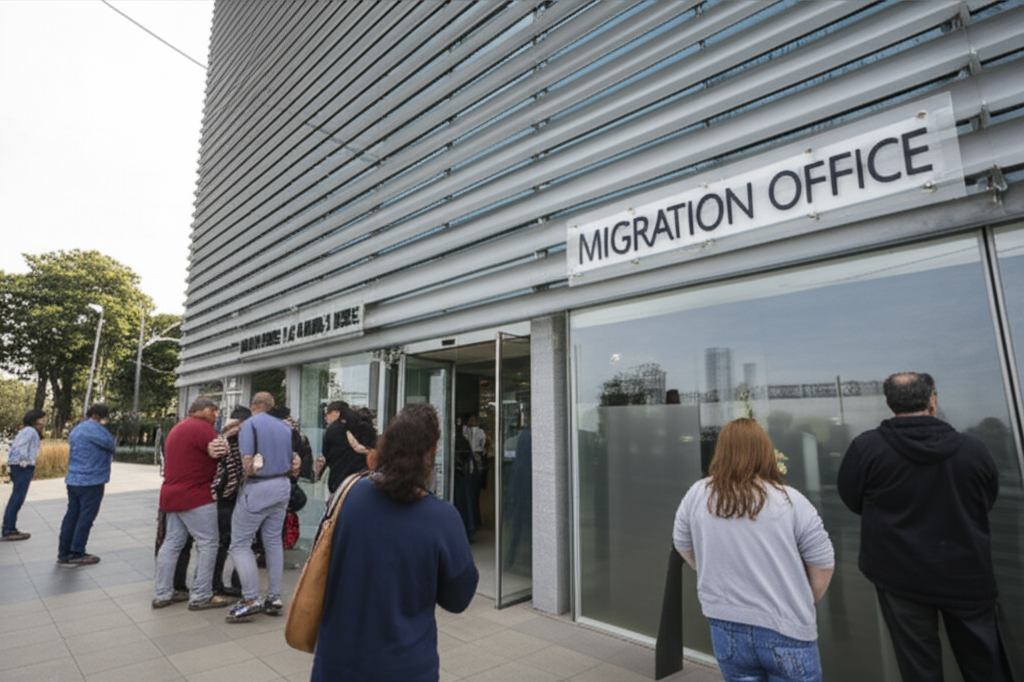
Regularizing Irregular Immigration Status in Argentina
Options for overstayers and undocumented immigrants in Argentina. Legal protections, regularization pathways, and how Decreto 366/2025 changed the landscape.
Irregular immigration status in Argentina occurs when a foreign national remains in the country without valid authorization — typically after overstaying a tourist visa, failing to renew residency, or entering without proper documentation. Unlike some countries that aggressively pursue deportation, Argentina has historically taken a more humanitarian approach to irregular immigration, grounded in Ley 25.871 (the 2004 Migration Law), which recognizes migration as a fundamental human right. This does not mean irregular status is without consequences — it limits your ability to work legally, access services, open bank accounts, rent apartments, and travel freely. But it does mean that Argentina provides legal pathways to regularize your situation rather than defaulting to deportation. Understanding these pathways and the recent changes under Decreto 366/2025 is essential for anyone in this situation.
Irregular immigration status in Argentina occurs when a foreign national remains in the country without valid authorization — typically after overstaying a tourist visa, failing to renew residency, or entering without proper documentation. Unlike some countries that aggressively pursue deportation, Argentina has historically taken a more humanitarian approach to irregular immigration, grounded in Ley 25.871 (the 2004 Migration Law), which recognizes migration as a fundamental human right. This does not mean irregular status is without consequences — it limits your ability to work legally, access services, open bank accounts, rent apartments, and travel freely. But it does mean that Argentina provides legal pathways to regularize your situation rather than defaulting to deportation. Understanding these pathways and the recent changes under Decreto 366/2025 is essential for anyone in this situation.
Argentina's Ley 25.871 is one of the most progressive immigration laws in the world. It establishes several key protections for all migrants, regardless of status: the right to education (children cannot be denied school enrollment due to parents' immigration status), the right to emergency healthcare (hospitals cannot refuse emergency treatment based on immigration status — though Decreto 366/2025 has restricted non-emergency public healthcare access), the right to due process in any deportation proceeding (you have the right to a lawyer and to appeal), the right to access justice (courts cannot refuse to hear cases based on immigration status), and protection from exploitation (employers who exploit undocumented workers face penalties, not the workers). These protections remain in force even after Decreto 366/2025, which modified enforcement mechanisms but did not repeal the fundamental rights framework of Ley 25.871.
If you are currently in irregular status, several pathways to regularization exist. The most common is applying for a new residency permit under an eligible category — Mercosur nationality, work visa, family reunification, student visa, rentista, or digital nomad visa. Mercosur nationals have the strongest path: citizens of Mercosur member and associated states (Brazil, Uruguay, Paraguay, Bolivia, Chile, Colombia, Ecuador, Peru, and others) can apply for temporary residency based solely on nationality, regardless of how they entered or how long they have overstayed. For non-Mercosur nationals, the options are more limited but still exist. You may apply for regularization through a work visa if you have an employer willing to sponsor you, through marriage or family ties to an Argentine citizen or resident, through a student visa if enrolled in a recognized institution, or through a rentista/digital nomad visa if you meet income requirements. In all cases, you will need to pay outstanding fines for the period of irregular status.
Facing irregular status, you have two basic choices: leave voluntarily and sort out your status from abroad, or attempt to regularize from within Argentina. Voluntary departure means leaving the country, potentially paying overstay fines at the border, and applying for a new visa from your home country or a third country. The advantage is a clean slate — no irregular status on your record. The disadvantage is the disruption to your life in Argentina, the cost of travel, and the time it takes to process a new visa from abroad. Regularization from within Argentina avoids the disruption but requires navigating the bureaucracy while in an irregular position. You may receive a precaria (temporary authorization) while your application is processed, which provides limited but real legal protection. The best choice depends on your specific circumstances — nationality, available visa categories, financial situation, family ties, and urgency.
Decreto 366/2025, signed by President Milei in May 2025, introduced significant changes to immigration enforcement that particularly affect people in irregular status. Key changes include: stricter enforcement of overstay penalties with reduced discretion for waivers, faster deportation proceedings for certain categories of irregular immigrants (particularly those with criminal records), restricted access to non-emergency public healthcare and some social services for temporary residents and irregular immigrants, new requirements for continuous physical presence during residency periods (departures may reset residence clocks for permanent residency eligibility), and increased documentation requirements for regularization applications. However, the decree did not eliminate regularization pathways entirely. Mercosur-based regularization remains available. The fundamental rights protections of Ley 25.871 remain in force. Emergency healthcare is still accessible regardless of status. Children's right to education is preserved. The practical impact has been a shift in tone and enforcement priority rather than a wholesale change in the legal framework.
Argentina has historically implemented periodic amnesty or regularization programs (programas de normalización migratoria) that allow irregular immigrants to legalize their status through simplified processes. The most recent large-scale program was Patria Grande (2006), which regularized hundreds of thousands of Mercosur nationals. While no current amnesty program is in effect as of 2026, future programs are always possible depending on political direction. Practical advice for people in irregular status: Do not ignore the situation — it only gets worse with time. Consult an immigration attorney before taking any action — initial consultations are often free or low-cost. Gather and preserve all documentation that proves your ties to Argentina (lease agreements, utility bills, children's school records, employment records). Do not travel internationally — leaving Argentina with irregular status triggers border penalties and may result in re-entry bans. Be aware that some legal aid organizations (defensorías) provide free immigration legal assistance. If you are a victim of labor exploitation or trafficking, specific protection mechanisms exist regardless of your immigration status.
Frequently Asked Questions
For complex legal situations beyond what this guide covers, Lucero Legal specializes in expat immigration in Argentina.
In this guide
- Understanding irregular status in Argentina
- Ley 25.871 protections
- Regularization pathways
- Voluntary departure vs. regularization
- Decreto 366/2025 changes
- Amnesty programs and practical advice