Living in Mendoza: Wine Country & Mountain Life
Everything you need to know about relocating to Mendoza — wine culture, outdoor sports, cost of living, and proximity to Chile.
Mendoza sits at the foothills of the Andes, surrounded by vineyards and framed by snow-capped mountains. It is the undisputed wine capital of South America, producing over 70% of Argentina's wine, including the world-famous Malbec. But Mendoza is far more than wine tourism. With a metropolitan population of around one million, it is a mid-sized city that combines urban amenities with unparalleled access to nature. The lifestyle here revolves around the outdoors — skiing at Las Lenas or Penitentes in winter, hiking Aconcagua base camp in summer, rafting the Mendoza River in spring, and cycling through vineyard routes year-round. For expats seeking a slower pace than Buenos Aires without sacrificing modern conveniences, Mendoza offers an exceptional quality of life.
Mendoza sits at the foothills of the Andes, surrounded by vineyards and framed by snow-capped mountains. It is the undisputed wine capital of South America, producing over 70% of Argentina's wine, including the world-famous Malbec. But Mendoza is far more than wine tourism. With a metropolitan population of around one million, it is a mid-sized city that combines urban amenities with unparalleled access to nature. The lifestyle here revolves around the outdoors — skiing at Las Lenas or Penitentes in winter, hiking Aconcagua base camp in summer, rafting the Mendoza River in spring, and cycling through vineyard routes year-round. For expats seeking a slower pace than Buenos Aires without sacrificing modern conveniences, Mendoza offers an exceptional quality of life.
Mendoza is 20-30% cheaper than Buenos Aires for most expenses. Rent for a one-bedroom apartment in central neighborhoods like Ciudad or Quinta Sección runs $250-450 USD per month. In Godoy Cruz or Luján de Cuyo (closer to wineries), similar apartments are even cheaper. Groceries are affordable, especially local produce, meat, and — naturally — wine. A quality bottle of Malbec that would cost $15-20 USD abroad sells for $3-5 USD locally. Dining out is reasonable: a full meal at a parrilla runs $8-15 USD. Monthly living costs for a single person: $900-1,500 USD for comfortable living. The main financial consideration unique to Mendoza is that salaries tend to be lower than Buenos Aires, so if you are working locally rather than remotely, the savings on rent may be offset by lower wages.
Living in Mendoza means wine is woven into daily life, not just tourism. Weekend asado with friends always features local bottles. Many bodegas offer harvest volunteer experiences in March-April (vendimia season), culminating in the spectacular Fiesta de la Vendimia — one of Argentina's largest festivals. Wine tourism brings a steady flow of international visitors, which means more English speakers, international restaurants, and a cosmopolitan energy unusual for a city of its size. Many expats get involved in the wine industry — some start small export businesses, others work in wine tourism or hospitality. The agricultural economy also encompasses olive oil, fruit orchards, and garlic production. Food culture here is excellent, with farm-to-table dining accessible and affordable.
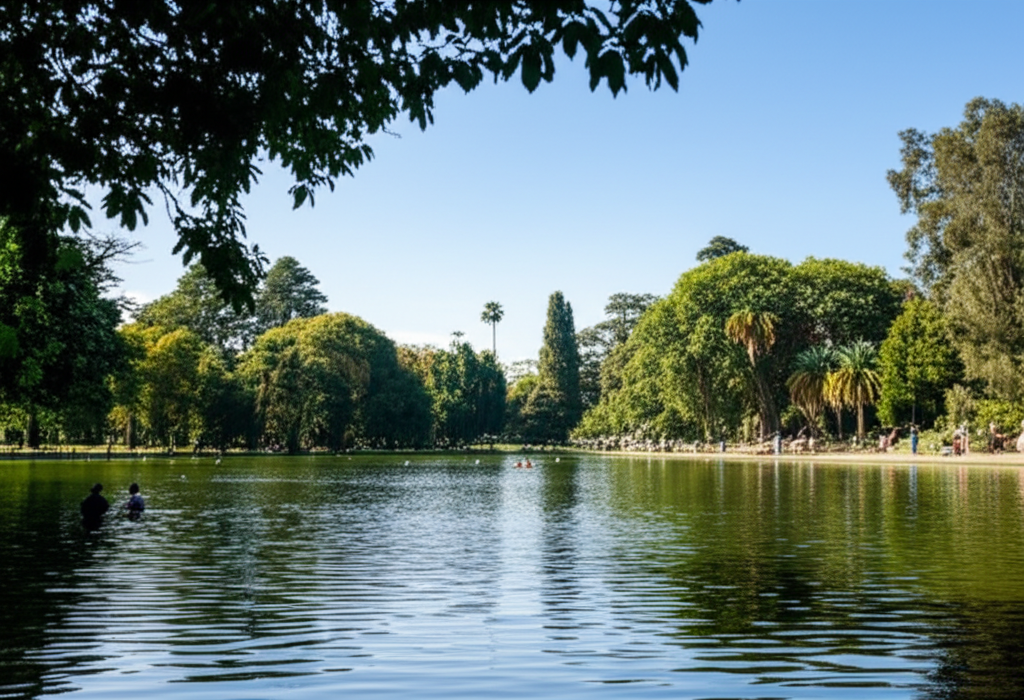
Mendoza's proximity to the Andes makes it the adventure sports capital of Argentina. Mount Aconcagua, the highest peak in the Western Hemisphere at 6,961 meters, is a two-hour drive from the city. You do not need to summit it to enjoy its beauty — base camp treks are popular multi-day excursions. Ski resorts operate from June to September, with Las Lenas being the most famous. The Mendoza River offers class III-IV whitewater rafting in spring. Cycling routes through Maipú and Luján de Cuyo vineyards are flat and scenic. Rock climbing, paragliding, and horseback riding through the Andes are all easily accessible. Within the city, Parque General San Martín is one of the largest urban parks in South America, with lakes, a zoo, trails, and sports facilities.
Mendoza is closer to Santiago, Chile (6 hours by bus through the Cristo Redentor pass) than to Buenos Aires (12 hours by bus, 1.5 hours by air). This proximity offers practical benefits: shopping trips to Chilean malls, weekend getaways to Valparaíso, and access to Pacific beaches. The Cristo Redentor border crossing closes in winter due to snow, so plan accordingly (typically May-September for closures). Because Mendoza sits on the boundary of the Nazca and South American tectonic plates, earthquakes are a genuine consideration. The city was devastated by a massive earthquake in 1861 that killed a third of the population. Modern construction follows strict seismic codes, and buildings are generally safe. Tremors are felt occasionally — typically mild. Know the basics: identify structural safe points in your home, keep emergency supplies, and familiarize yourself with evacuation routes.
Mendoza's climate is dry and sunny, with over 300 days of sunshine per year. Summers are hot (35-40C/95-104F) and winters are cold and crisp (0-15C/32-59F). Irrigation channels (acequias) line the streets and are a historic feature of the city — watch your step, especially at night. Public transportation is bus-based with no subway. The Mendoza MetroTranvía light rail covers some routes. Driving is more practical here than in Buenos Aires, especially for vineyard visits. The local migration office handles visa applications and renewals, though complex cases may need to be escalated to Buenos Aires. The expat community is smaller but tight-knit, with regular meetups and a strong presence of Europeans (especially French and Italian) drawn by the wine industry.
Frequently Asked Questions
For complex legal situations beyond what this guide covers, Lucero Legal specializes in expat immigration in Argentina.
In this guide
- Why Mendoza?
- Cost of living
- Wine culture and lifestyle
- Outdoor activities and nature
- Proximity to Chile and earthquake awareness
- Practical tips for expats