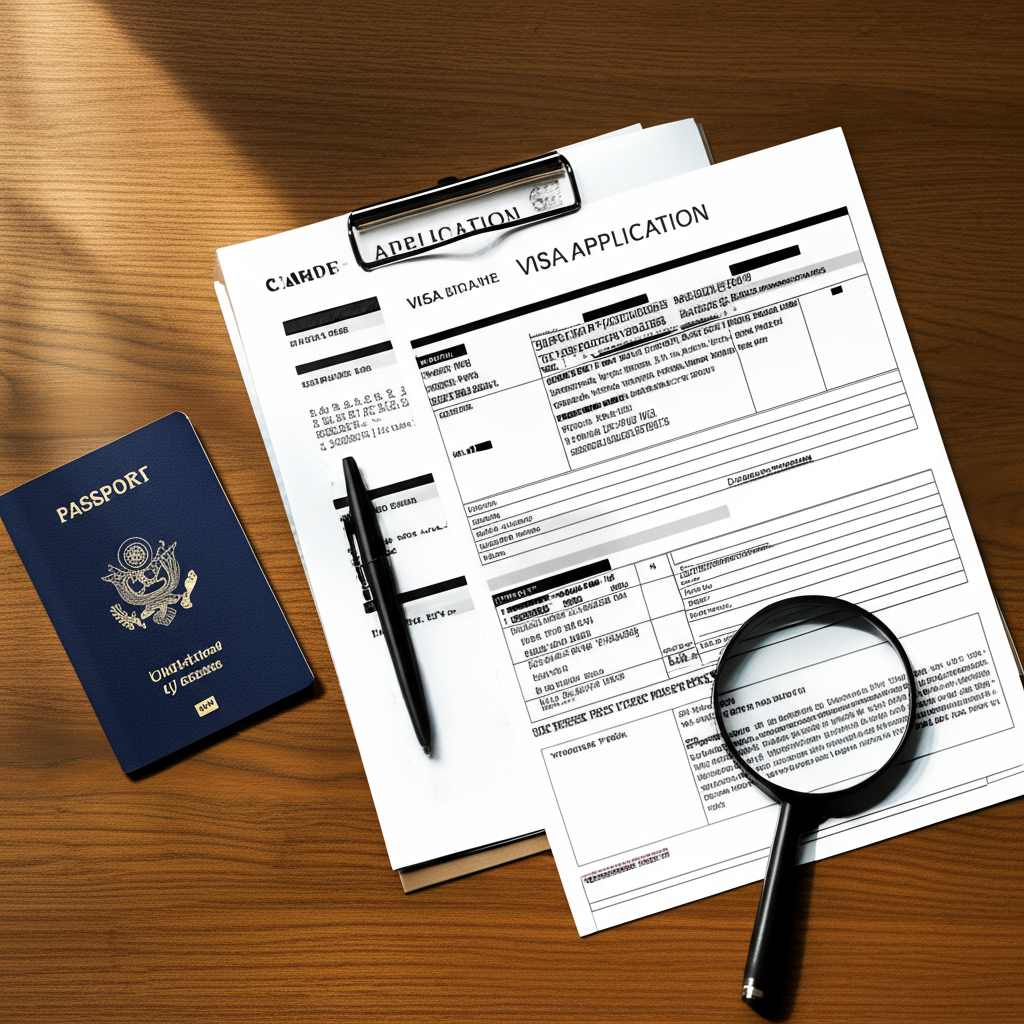
Apostille & Document Legalization Guide for Argentina
Step-by-step guide to apostilling and legalizing documents for use in Argentina. Covers the Hague Apostille Convention, country-specific processes for the US, UK, Canada, and EU, certified translation requirements, the role of the Colegio de Traductores Publicos, common mistakes, costs, and timelines.
An apostille is a standardized certificate that authenticates the origin of a public document for use in another country. It was established by the Hague Convention of 1961 (formally the Hague Convention Abolishing the Requirement of Legalisation for Foreign Public Documents) to simplify the cumbersome process of consular legalization. Argentina is a member of the Hague Convention, meaning documents from other member countries can be authenticated with a simple apostille stamp or attachment rather than going through the full consular legalization chain. The apostille does not certify the content of the document — it only confirms that the signature, seal, or stamp on the document is genuine and that the person who signed it was authorized to do so. Virtually every immigration, legal, or civil process in Argentina involving foreign documents requires an apostille. This includes residency applications (birth certificate, criminal background check, marriage certificate), property purchases (power of attorney), citizenship applications, marriage registration, university enrollment, and professional license recognition. Without a proper apostille, Argentine authorities — whether Migraciones, the Registro Civil, courts, or educational institutions — will reject your documents outright.
An apostille is a standardized certificate that authenticates the origin of a public document for use in another country. It was established by the Hague Convention of 1961 (formally the Hague Convention Abolishing the Requirement of Legalisation for Foreign Public Documents) to simplify the cumbersome process of consular legalization. Argentina is a member of the Hague Convention, meaning documents from other member countries can be authenticated with a simple apostille stamp or attachment rather than going through the full consular legalization chain. The apostille does not certify the content of the document — it only confirms that the signature, seal, or stamp on the document is genuine and that the person who signed it was authorized to do so. Virtually every immigration, legal, or civil process in Argentina involving foreign documents requires an apostille. This includes residency applications (birth certificate, criminal background check, marriage certificate), property purchases (power of attorney), citizenship applications, marriage registration, university enrollment, and professional license recognition. Without a proper apostille, Argentine authorities — whether Migraciones, the Registro Civil, courts, or educational institutions — will reject your documents outright.
The specific documents you need to apostille depend on your purpose in Argentina, but the most commonly required apostilled documents include: birth certificate (required for residency, citizenship, marriage, and many other processes); criminal background check / police clearance certificate (required for all residency applications and citizenship); marriage certificate (required for family reunification visas and spouse-related processes); divorce decree (if applicable, for marriage or residency applications); death certificate of a former spouse (if applicable); academic degrees and transcripts (for professional license recognition or university enrollment); professional licenses and certifications; power of attorney (for property transactions, legal representation, or business formation when you cannot be physically present); and medical certificates or records (occasionally required for specific visa categories). It is critically important to apostille the original documents, not photocopies. Some countries issue certified copies that can be apostilled (for example, US states issue certified copies of birth certificates that are equivalent to originals for apostille purposes), but the apostille must always be affixed to a document bearing an original official seal or signature. Apostilling a plain photocopy is the single most common mistake applicants make, and it will result in rejection.
United States: The apostille process varies by document type. Federal documents (FBI background checks) are apostilled by the US Department of State's Office of Authentications in Washington, DC. State-issued documents (birth certificates, marriage certificates, state criminal background checks) are apostilled by the Secretary of State of the issuing state. Processing times range from same-day (in person at some state offices) to 6-8 weeks (by mail at the federal level). Expedited services are available for an additional fee. Several private companies offer apostille facilitation services. United Kingdom: All UK documents are apostilled by the Foreign, Commonwealth and Development Office (FCDO) Legalisation Office. The process can be done online or by post. Standard processing takes 2-4 weeks; a premium same-day service is available for in-person submissions in Milton Keynes. Canada: Canada is a Hague Convention member as of 2024. Documents are apostilled by Global Affairs Canada. Prior to 2024, Canadian documents required the older full consular legalization process through the Argentine consulate, which was significantly more time-consuming. EU Countries: Each EU member state has its own designated apostille authority — typically the Ministry of Foreign Affairs, a court, or a designated government office. Processing times and costs vary by country. Spain, Italy, Germany, and France have well-established apostille services with typical turnaround of 1-4 weeks.
After obtaining the apostille, the next mandatory step is certified translation into Spanish. Argentina requires that all foreign-language documents be translated by a traductor publico (certified public translator) registered and licensed in Argentina. Translations performed abroad — even by certified translators in other countries — are not accepted by Argentine authorities. The traductor publico translates the original document and the apostille, then signs and stamps the translation, which is then legalized by the relevant Colegio de Traductores Publicos (Professional Association of Public Translators) in the jurisdiction where the translator is registered. This legalization by the Colegio confirms the translator's credentials and the validity of the translation. In Buenos Aires, the Colegio de Traductores Publicos de la Ciudad de Buenos Aires (CTPCBA) is the primary body. The cost of certified translations varies depending on the document's length and complexity, but typical prices range from 15,000-50,000 ARS (approximately $15-50 USD at current rates) per page for standard documents like birth certificates and background checks. More complex documents (legal judgments, academic transcripts with many entries) may cost more. Turnaround times range from 24 hours for rush service to 1-2 weeks for standard processing. Many traductores publicos offer remote services — you can email scanned documents for a quote and send originals by courier for the actual translation.
The apostille and legalization process is fraught with potential errors that can delay your plans by weeks or months. The most common mistakes include: apostilling a photocopy instead of an original or certified copy — the apostille must be attached to a document bearing original seals and signatures; obtaining the apostille from the wrong authority — for US documents, the apostille must come from the state that issued the document (a New York birth certificate cannot be apostilled in California); using an expired document — criminal background checks and certificates of single status typically must be issued within 3-6 months of use in Argentina, so timing your apostille is important; getting the translation done abroad — only Argentine-licensed traductores publicos are accepted; failing to have the Colegio de Traductores Publicos legalize the translation — the translator's stamp alone is insufficient; apostilling the document but not the notarized copy — some processes require notarized copies, which themselves need apostille; and not making enough copies — always get multiple apostilled originals of critical documents like birth certificates, as different Argentine processes may each require an original. Planning ahead is essential. Create a document timeline working backward from your target date in Argentina, allowing sufficient time for each step in the chain.
Several countries have begun implementing electronic apostille (e-Apostille) systems that issue digitally signed apostille certificates, sometimes accompanied by a QR code for verification. The United States, the United Kingdom, and several EU countries offer e-Apostille services for certain document types. Argentina accepts e-Apostilles, as the Hague Conference on Private International Law has endorsed the electronic format as equally valid to paper apostilles. However, in practice, acceptance can vary depending on the specific Argentine office or official processing your documents. Some Migraciones officers and Registro Civil clerks may be unfamiliar with e-Apostilles and initially question their validity. It is advisable to carry a printed copy of the e-Apostille along with the original document, and to have the QR verification link readily accessible on your phone to demonstrate authenticity if questioned. The apostille landscape is also being affected by bilateral agreements and digital identity initiatives. Some Mercosur-member-country documents (particularly from Brazil, Uruguay, and Paraguay) benefit from simplified authentication procedures under Mercosur agreements that may reduce or eliminate the apostille requirement for certain document types. Check the latest requirements with Migraciones or an Argentine immigration attorney for your specific situation.
Total costs for the complete apostille and translation process for a standard set of immigration documents (birth certificate, criminal background check, and one additional document such as a marriage certificate) typically range from $200-600 USD, broken down as follows: apostille fees ($10-50 per document depending on the country and service speed); certified translation in Argentina ($15-50 USD per document page); Colegio de Traductores legalization ($5-15 USD per document); and optional expediting or courier services ($50-200 total). Timeline estimates for the complete process: US documents: 2-8 weeks for apostille (faster if done in person at a state office), plus 1-2 weeks for translation in Argentina. UK documents: 1-4 weeks for apostille via FCDO, plus 1-2 weeks for translation. Canadian documents: 2-6 weeks through Global Affairs Canada, plus 1-2 weeks for translation. EU documents: 1-4 weeks depending on the country, plus 1-2 weeks for translation. The total end-to-end timeline from requesting your source documents to having fully apostilled and translated documents ready for use in Argentina is typically 4-10 weeks. Rush processing at various stages can compress this to 2-4 weeks at additional cost. It is strongly recommended to begin the document preparation process at least 2-3 months before your planned date of arrival or application in Argentina to account for unexpected delays.
Frequently Asked Questions
For complex legal situations beyond what this guide covers, Lucero Legal specializes in expat immigration in Argentina.